

How Can You Utilize Virtual Tours in Real Estate Photography?
Matt Harrison • August 12, 2024
How Can You Utilize Virtual Tours in Real Estate Photography?
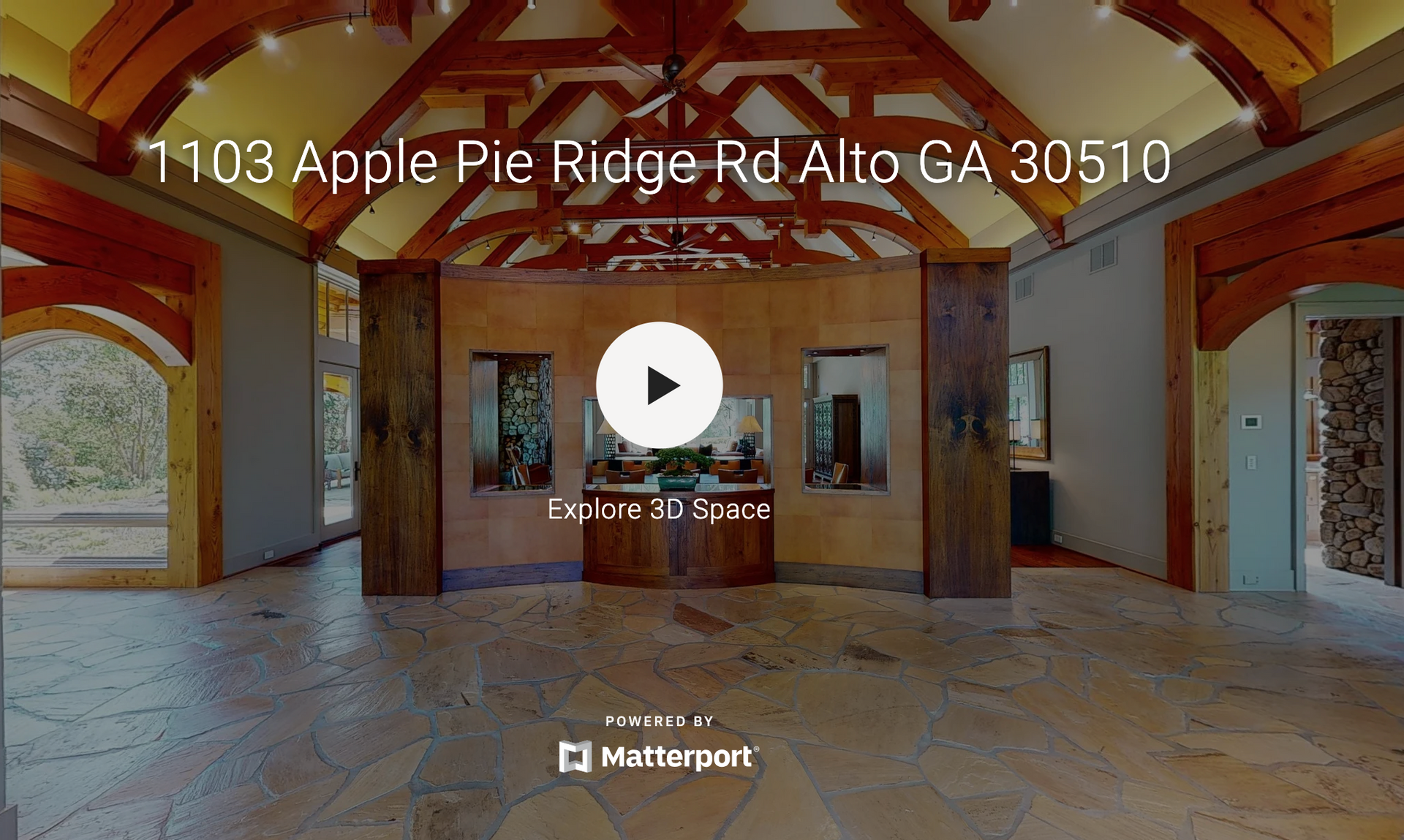
Virtual tours are becoming an increasingly popular tool in real estate photography, offering a dynamic and immersive experience for potential buyers. Here’s how you can utilize virtual tours effectively in real estate photography:
1. Showcase Properties in Detail
- 360-Degree Views: Virtual tours allow viewers to explore properties in a 360-degree format. This helps them to see every corner of a room, providing a more comprehensive view than traditional photos.
- Interactive Navigation: Users can click through different rooms, zoom in on details, and even look up and down, creating a more engaging experience.
2. Highlight Key Features
- Focus on Unique Selling Points: You can guide viewers through the property, highlighting key features like a modern kitchen, spacious living room, or scenic backyard. Some virtual tours also allow for text or audio annotations to provide more context.
- Day and Night Views: Some virtual tours offer the ability to switch between day and night views, showing how the property looks under different lighting conditions.
3. Reach a Wider Audience
- Remote Viewing: Virtual tours are accessible from anywhere, making it easier for out-of-town or international buyers to explore properties without needing to visit in person.
- Open House Alternative: Especially during times when physical visits are limited, virtual tours can serve as a substitute for open houses, allowing potential buyers to view the property at their convenience.
4. Increase Engagement
- Interactive Experience: The immersive nature of virtual tours keeps potential buyers engaged for longer periods compared to traditional photo galleries. This increased interaction can lead to a deeper interest in the property.
- Shareability: Virtual tours are easily shareable via social media, emails, or real estate listing sites, expanding the reach of the property’s marketing efforts.
5. Enhance Marketing Materials
- Professionalism: Offering virtual tours can set a property apart from others on the market, demonstrating a higher level of professionalism and attention to detail.
- Complementary Content: Virtual tours can be used alongside traditional photography, videos, and floor plans to provide a comprehensive view of the property.
6. Provide an Emotional Connection
- Realistic Experience: Virtual tours help potential buyers imagine themselves living in the space, creating an emotional connection that can be a powerful motivator in the decision-making process.
7. Use of Technology
- Integration with VR Headsets: Some virtual tours are compatible with VR headsets, providing an even more immersive experience for those with the technology.
- Analytics Tracking: Many virtual tour platforms offer analytics to track user engagement, such as which rooms were viewed the most and how long users spent on the tour. This data can be valuable in tailoring marketing strategies.
Incorporating virtual tours into your real estate photography strategy can greatly enhance the presentation of properties, making them more attractive and accessible to potential buyers.

The best real estate marketing in Atlanta speaks to both logic and emotion. Learn how modern visuals inform buyers and inspire them at the same time.

With 30,000+ properties photographed and 450+ five-star reviews, Curb Appeal Photography has set the standard for real estate media in Atlanta.

Discover why Atlanta real estate photography has become essential for selling and leasing property in one of the fastest-growing markets in the U.S.